

The AI Agent Evolution: A Reality Check
Looking at the rapid advancement of AI agents, I’m struck by the practical implications that aren’t making headlines.
Here’s my take on where we really stand:
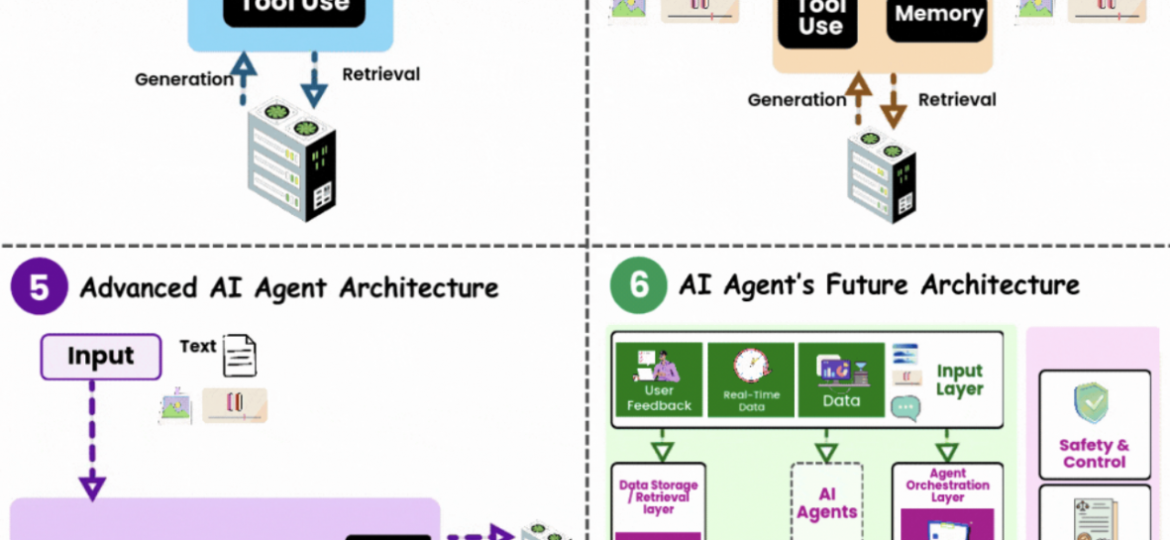
𝗧𝗵𝗲 𝗖𝗮𝗽𝗮𝗯𝗶𝗹𝗶𝘁𝘆 𝗧𝗿𝗮𝗻𝘀𝗶𝘁𝗶𝗼𝗻: We’ve moved from basic text models to multi-modal systems that can process and generate across formats. But the real shift isn’t just technical – it’s functional. AI is transitioning from answering questions to executing complex workflows with minimal supervision.
𝗧𝗵𝗲 𝗕𝘂𝘀𝗶𝗻𝗲𝘀𝘀 𝗥𝗲𝗮𝗱𝗶𝗻𝗲𝘀𝘀 𝗚𝗮𝗽: Most organizations are implementing AI capabilities piecemeal without redesigning workflows. The companies seeing transformative results are those treating AI agents as new team members rather than just tools.
𝗪𝗵𝗮𝘁’𝘀 𝗕𝗲𝗶𝗻𝗴 𝗢𝘃𝗲𝗿𝗹𝗼𝗼𝗸𝗲𝗱: The most significant leap isn’t processing power – it’s the integration of memory systems. Short and long-term memory capabilities mean interactions build upon each other rather than starting fresh each time. This fundamentally changes the relationship between humans and AI systems.
𝗧𝗵𝗲 𝗖𝗼𝗺𝗶𝗻𝗴 𝗖𝗵𝗮𝗹𝗹𝗲𝗻𝗴𝗲𝘀: As autonomous decision-making capabilities expand, our governance frameworks aren’t keeping pace. Who’s responsible when an AI makes thousands of daily decisions? How do we maintain oversight without creating new bottlenecks?
𝗧𝗵𝗲 𝗥𝗲𝗮𝗹 𝗤𝘂𝗲𝘀𝘁𝗶𝗼𝗻: Instead of asking what AI can do, we should be asking how we redesign our organizations to leverage these capabilities effectively.
What’s your experience?
Are you seeing AI agents transform workflows in your industry, or are we still in the experimentation phase?

